
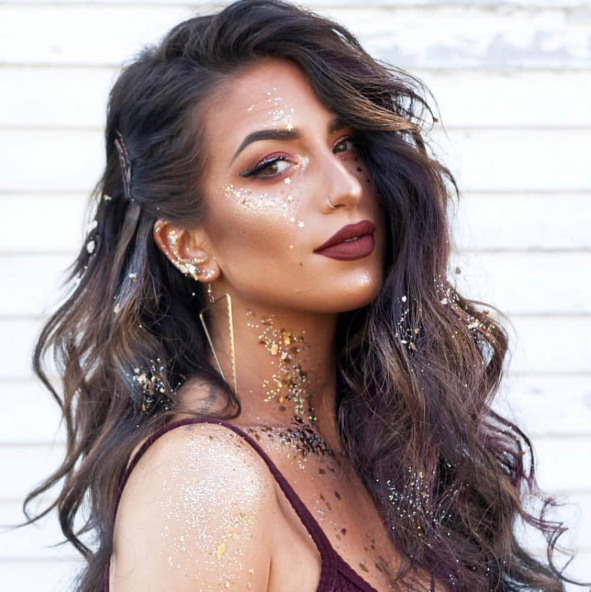
Choosing the perfect hair color is more than just picking a shade you like—it’s about finding a color that complements your skin tone, enhances your natural beauty, and suits your personal style. In a vibrant community like Bellissima Hair Salon Phoenix, where fashion and beauty trends continue to evolve, selecting the right hair color can help you stand out while still looking natural and confident.
Whether you want a subtle change or a bold transformation, understanding how hair color interacts with your skin tone is the key to achieving a flattering and long-lasting look. In this guide, we’ll explore how to determine your skin tone, the best hair colors for each tone, and professional tips to help you find your ideal shade.
Why Skin Tone Matters When Choosing Hair Color
Hair color plays a significant role in framing your face and highlighting your features. When your hair color matches your skin tone, it can:
- Enhance your natural complexion
- Make your eyes appear brighter
- Create a balanced and harmonious look
- Boost your overall confidence
On the other hand, choosing the wrong shade can make your skin appear dull or washed out. That’s why professional stylists in salons across Glendale always consider skin tone before recommending a color service.
Understanding Your Skin Tone
Before choosing a hair color, it’s important to identify your skin tone. Most people fall into one of three categories:
1. Warm Skin Tone
Warm skin tones usually have golden, peachy, or yellow undertones. If you have a warm complexion, your skin often tans easily and may appear slightly golden in sunlight.
Signs you have a warm skin tone:
- Gold jewelry looks better than silver
- Your veins appear greenish
- Earthy colors like orange, brown, and olive look great on you
2. Cool Skin Tone
Cool skin tones have pink, red, or bluish undertones. People with cool tones often burn easily in the sun before tanning.
Signs you have a cool skin tone:
- Silver jewelry complements your skin better than gold
- Your veins appear bluish
- Colors like blue, purple, and jewel tones suit you well
3. Neutral Skin Tone
Neutral skin tones are a balance of warm and cool undertones. This means you can typically wear a wide range of hair colors without them clashing with your complexion.
Signs you have a neutral skin tone:
- Both silver and gold jewelry look flattering
- Your veins appear both blue and green
- Most colors look good on you
Best Hair Colors for Warm Skin Tones
If you have warm undertones, the goal is to choose hair colors that enhance the warmth in your skin rather than compete with it.
Honey Blonde
Honey blonde adds a natural golden glow to your complexion. It’s a popular choice among clients in Glendale because it provides brightness without looking too harsh.
Golden Brown
Golden brown is a soft, warm shade that works well for people who want a subtle change from dark hair. It gives a sun-kissed effect that complements warm complexions beautifully.
Caramel Highlights
Caramel highlights are perfect for adding dimension to brunette hair. The warm undertones create depth and movement, making your hair look vibrant and healthy.
Copper or Auburn
For those looking for something bold, copper or auburn shades can enhance warm skin tones while creating a striking yet natural appearance.
Best Hair Colors for Cool Skin Tones
Cool skin tones look best with shades that counterbalance warmth and highlight the natural pink or blue undertones in the skin.
Ash Blonde
Ash blonde is one of the most flattering shades for cool undertones. It has a subtle silvery finish that prevents the color from appearing too yellow.
Platinum Blonde
Platinum blonde creates a bold and modern look while enhancing cool complexions. This color requires professional maintenance but can deliver a dramatic transformation.
Cool Brown
Cool brown shades such as espresso or mocha provide depth without adding unwanted warmth. They are ideal for individuals who want a sophisticated, polished appearance.
Burgundy
Burgundy is a deep, rich shade that works beautifully with cool skin tones. It adds personality and dimension while maintaining balance with your complexion.
Best Hair Colors for Neutral Skin Tones
If you have a neutral skin tone, you have the flexibility to experiment with both warm and cool shades.
Beige Blonde
Beige blonde combines warm and cool tones, creating a balanced and natural look.
Chocolate Brown
Chocolate brown is universally flattering and works well with neutral undertones. It’s a great option for those who prefer a darker shade.
Soft Balayage
Balayage techniques allow for customized color placement, blending multiple shades to enhance natural beauty.
Rose Gold
For a trendy and unique look, rose gold hair color offers a soft blend of pink and blonde tones that complement neutral complexions.
Considering Your Eye Color
While skin tone is the primary factor in choosing hair color, eye color also plays an important role.
- Brown Eyes: Rich browns, caramel, and warm highlights work beautifully.
- Blue Eyes: Cool blondes, ash tones, and platinum shades enhance the brightness of blue eyes.
- Green Eyes: Auburn, copper, and warm chestnut tones make green eyes stand out.
Professional stylists in Glendale often evaluate both skin tone and eye color to create a perfectly balanced look.
Popular Hair Color Trends in Glendale
Hair color trends evolve every year, and salons in Glendale continue to embrace both classic and modern styles. Some of the most popular trends include:
Balayage
Balayage remains a top choice because it creates natural-looking highlights that grow out seamlessly.
Face-Framing Highlights
These highlights brighten the hair around the face, adding dimension and enhancing facial features.
Shadow Root
A shadow root technique blends darker roots with lighter ends, creating a low-maintenance style.
Lived-In Color
Lived-in color focuses on soft transitions between shades, allowing the hair to grow out naturally without frequent touch-ups.
Professional Hair Coloring vs. DIY
While at-home hair color kits are widely available, professional hair coloring offers several advantages.
Customized Color
Professional stylists can mix multiple shades to create a color that perfectly complements your skin tone.
Hair Health Protection
Salon-quality products protect your hair from damage and maintain its strength and shine.
Expert Techniques
Techniques like balayage, ombré, and color correction require skill and experience to achieve the desired result.
Long-Lasting Results
Professional hair color tends to last longer and fade more gracefully than DIY options.
Hair Care Tips After Coloring
Once you’ve found the perfect shade, proper hair care is essential to maintain the color and keep your hair healthy.
Use Color-Safe Shampoo
Choose sulfate-free shampoos designed for color-treated hair to prevent fading.
Limit Heat Styling
Excessive heat can damage hair and dull color. Always use a heat protectant before styling.
Deep Conditioning Treatments
Regular conditioning treatments restore moisture and keep colored hair soft and manageable.
Protect Hair From the Sun
Sun exposure can fade hair color. Wearing hats or using UV-protectant hair products can help preserve your shade.
How a Professional Consultation Helps
A professional consultation allows your stylist to analyze several factors before recommending a hair color, including:
- Skin tone and undertones
- Natural hair color
- Hair texture and condition
- Lifestyle and maintenance preferences
By evaluating these elements, stylists can create a customized color plan that complements your overall look.
Final Thoughts
Finding the right hair color for your skin tone is the key to achieving a flattering, confident look. Whether you prefer natural shades like caramel and chocolate or bold tones like platinum and burgundy, the right color can enhance your complexion and highlight your unique features.
Residents of Glendale have access to experienced stylists who understand how to match hair color with skin tone while staying current with modern trends. With the help of a professional consultation and proper hair care, you can enjoy vibrant, beautiful hair that perfectly complements your style.
If you’re considering a new hair color, take the time to evaluate your skin tone, explore different shades, and consult with a professional stylist. The right color can completely transform your look and boost your confidence—making every day a great hair day.
FAQs
Can I change my hair color dramatically in one appointment?
It depends on your current hair color and condition. Some transformations require multiple sessions to maintain hair health.
How often should I touch up my hair color?
Most people schedule touch-ups every 4–8 weeks depending on the color and technique used.
What hair color is easiest to maintain?
Techniques like balayage and shadow roots are low-maintenance because they blend naturally as hair grows.
Does hair color damage hair permanently?
When done professionally and maintained properly, hair coloring should not cause significant long-term damage. Regular conditioning treatments help keep hair healthy.